As generative AI and machine learning technologies evolve rapidly, digital advertising is undergoing a structural transformation. In recent years, Meta has consistently increased its investment in AI technical resources. The goal is to leverage more powerful computing capabilities and algorithmic models to enhance ad delivery accuracy and overall performance.
During this transition, the Andromeda algorithm has emerged as a core component of the Meta advertising system. This article will provide an in-depth look at the operational logic behind Andromeda and explore how brands and advertisers should rethink their delivery strategies in an AI-driven environment.
What is the Meta Andromeda Algorithm?
Within the Meta ecosystem, a massive volume of ad assets enters the auction system every second to be analyzed, ranked, and delivered. With the rapid growth of ad volume and content formats, identifying the ads most likely to generate value from a sea of content has become the primary challenge for recommendation systems.
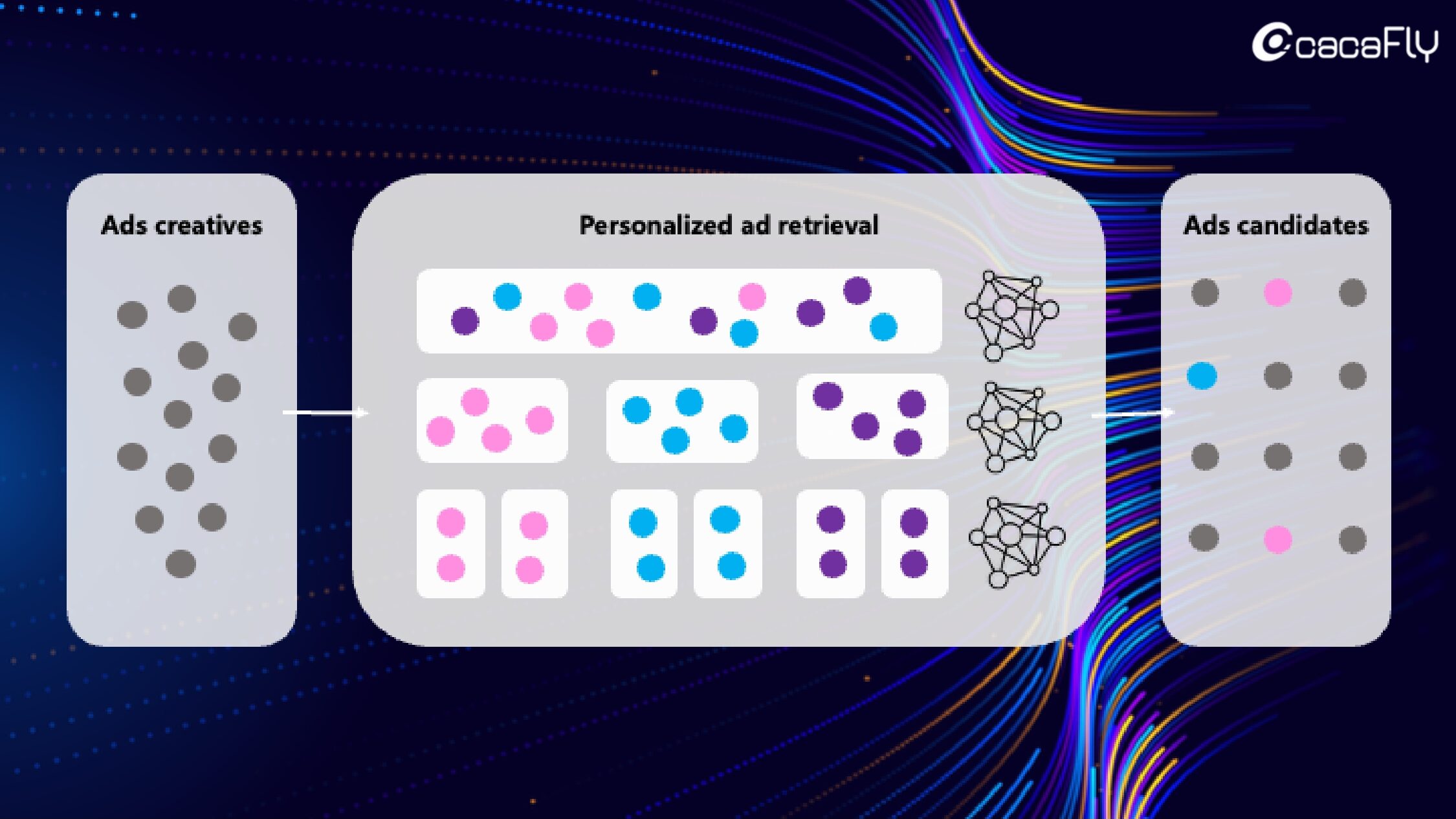
The Andromeda algorithm is the core retrieval system Meta built to address this. Retrieval is the first step in the Meta AI recommendation system. It filters millions of potential candidate ads down to a few thousand and categorizes them. The system then passes this list to other AI models to predict the value provided to both advertisers and users before completing the delivery.
Through the operation of the Andromeda algorithm, ads are no longer simply pushed out. Instead, they pass through layers of AI retrieval and filtering before they have the chance to appear in front of users with high potential value.
The Shift in Meta’s Algorithmic Logic
In the past, ad delivery logic was relatively straightforward. When the system received signals of a user interacting with a specific category, such as shoes, it would continually push similar product ads to that group. This model relied heavily on interest tags. While effective for broad reach, it struggled to precisely capture a user’s immediate purchase motivation or behavioral timing.
With the introduction of the Andromeda algorithm, the advertising system has moved from analyzing shallow behaviors to understanding deep intent. AI no longer just analyzes what content users are interested in. It now evaluates comprehensive behavioral patterns, including the following factors:
- The specific times when a user is most receptive to information
- The contexts in which interaction intent is highest
- Which creative formats are more likely to drive conversion actions
Consequently, the core of ad delivery is no longer just about the right person. It is about appearing in the right context at the right time with the right content. This judgment is based on massive historical data and behavioral models that help the system predict a user’s deeper underlying intent.
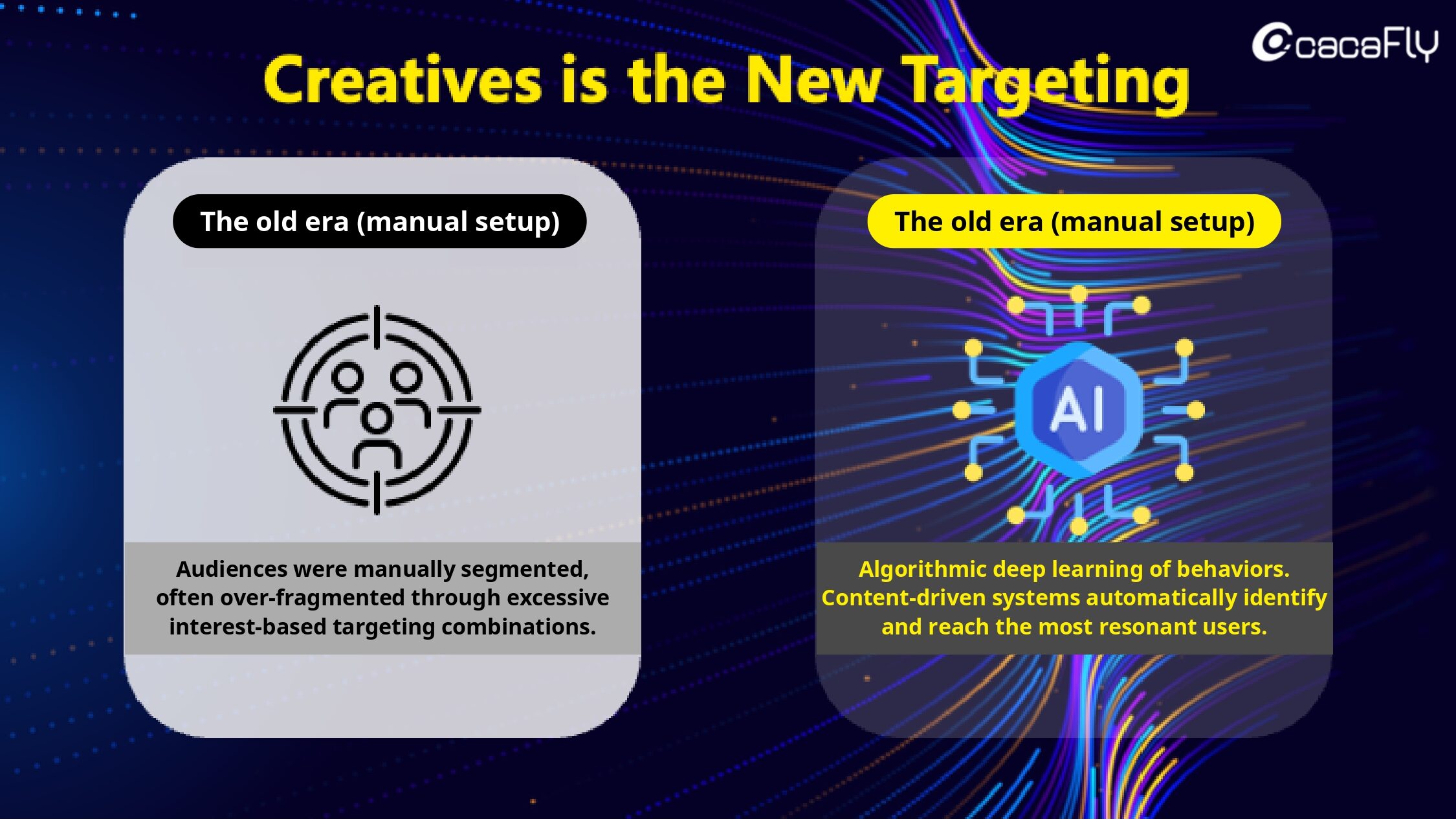
Moving from Audience-Centric to Creative-Centric Advertising
In traditional operations, advertisers often needed to build numerous ad sets and test them against various interests, ages, and behavioral conditions. However, under the Andromeda architecture, this manual setup-heavy approach is becoming less critical. The core logic of modern ad systems has shifted. As long as you upload creative assets, the AI will automatically understand the content and push it to the most suitable audience. Therefore, the focus of ad strategy has moved from audience configuration to creative asset management.
How Does AI Understand Your Ad Assets?
Through its retrieval system, the Andromeda algorithm deconstructs and analyzes multiple elements within the creative, including but not limited to:
- The products featured in the asset
- Asset formats like images, videos, or Reels and their aspect ratios
- Copywriting keywords and tonal structure
- Visual color palettes and overall style
- Seasonal and situational context
- People and emotional expressions within the creative
These elements are converted into signals for the AI to infer the audience profile most likely to find value in that specific asset.
Diverse Creative Assets: The Core Competency in the AI Era
The birth of the Andromeda algorithm signifies that digital advertising has officially entered a new phase centered on AI. In this environment, the key capabilities that advertisers truly need to build will shift toward the following areas:
- Long-term content planning capabilities
- Consistent production of diverse and differentiated ad creatives
- Understanding the brand’s communication style across different usage scenarios
As AI becomes smarter, the diversity of ad assets will become the critical asset that determines ad performance. This will be an essential priority for brands looking to achieve sustainable growth in 2026.
Struggling with Brand Development and Marketing?
Reach out to us, and let the professional consultancy team at cacaFly to collaborate with you in creating a brighter future
PM: cacaFly Malaysia Facebook
Email: [email protected]
Mobile: 017-7486433
cacaFly Malaysia is always at the forefront of digital marketing and committed to being the most reliable partner of our clients, priding ourselves in offering premium services with utmost enthusiasm and professionalism. Specializing in serving brand and performance oriented clients, our one-stop digital marketing services ranges from early research, mid-term advertising, MarTech application and creative production to data analysis and strategy optimization, cacaFly Malaysia has assisted countless brands and online merchant improve their performance and expand their businesses. If you need help with digital marketing strategy, ad placements etc., contact us now! PM us on cacaFly Malaysia Facebook or email us at [email protected]